
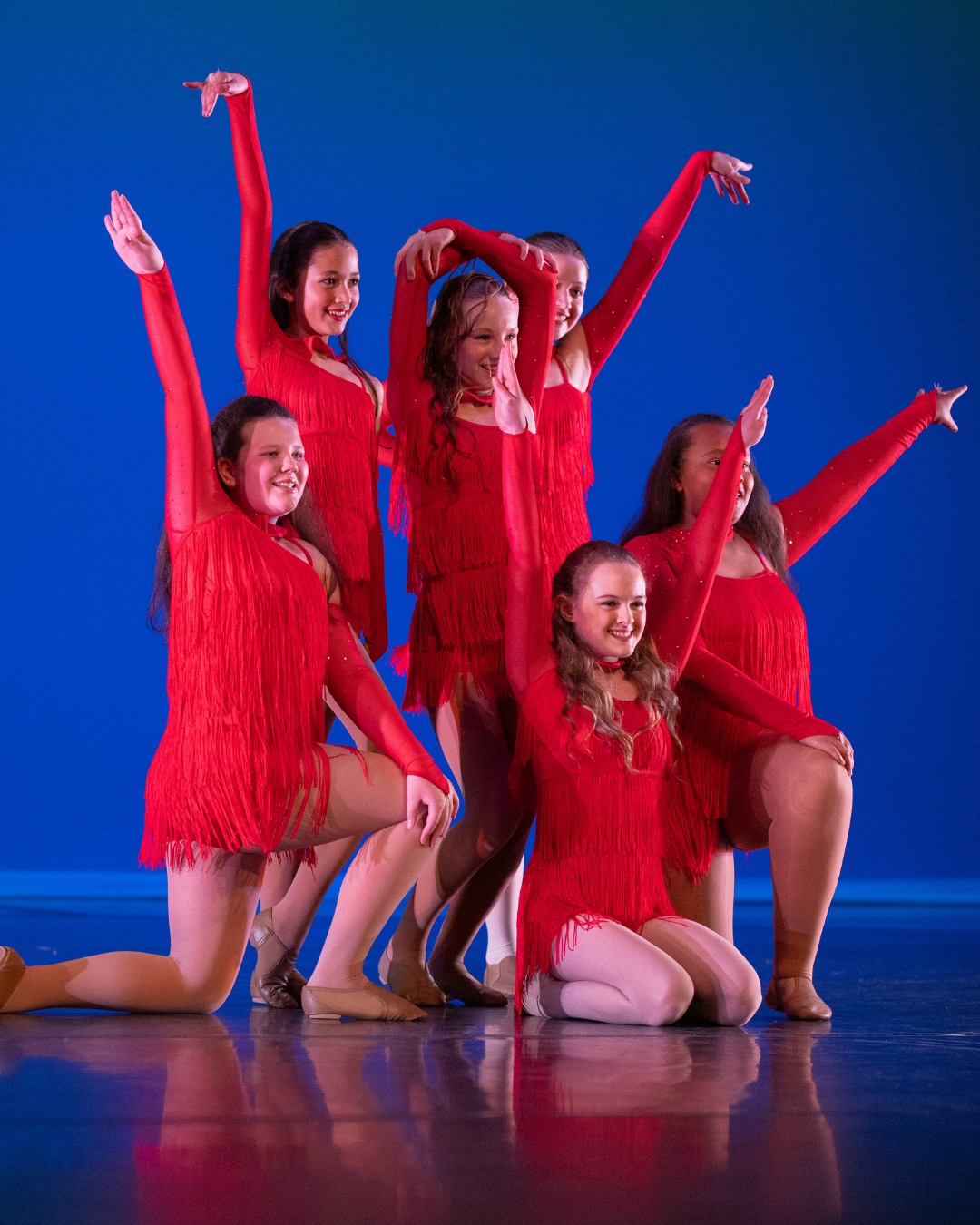
When people think about dance class, they often picture technique, choreography, or performances on stage. But behind all of that is something even more important: community.
For many children, a dance class becomes one of the first consistent communities they belong to outside of school or family. And that sense of belonging can have a lasting impact on children's mental and emotional well-being.
A Place to Belong
Kids don’t just want to feel included—they need to feel it. In a strong dance class community, children learn that they are part of something bigger than themselves. They have a group that recognizes them, expects them, and celebrates their presence.
That simple consistency—showing up, being greeted, being known by name—helps build emotional security. For children who may struggle with anxiety or self-doubt, that predictability can be incredibly grounding.
Confidence Grows Through Connection
Confidence doesn’t just come from mastering a skill. It grows through relationships.
In dance class, kids learn by watching peers, encouraging each other, and sometimes even struggling together. When a child sees another dancer working through the same correction or learning the same routine, it normalizes imperfection. Mistakes stop feeling like failures and start feeling like part of the process.
Over time, that shared experience helps children take more healthy risks—not just in dance, but in life.
Emotional Expression Without Words
Not every child has the vocabulary to express what they’re feeling, especially when emotions are big or confusing. Dance gives them another outlet.
Within a supportive group, movement becomes a safe way to release stress, excitement, frustration, or joy. And when that expression is met with acceptance instead of judgment, kids learn an important lesson: their feelings are valid.
That validation, repeated over time, supports emotional resilience.
Friendships That Aren’t Just “Side Effects”
One of the most overlooked benefits of dance class is the friendships it creates. These aren’t just casual connections—they’re built through shared effort, repetition, and trust.
Children in dance classes often learn teamwork in a very real way: spacing, timing, awareness, and supporting each other on stage. That collaboration builds empathy. Kids begin to understand not just what they are doing, but how they fit into a group dynamic.
And for many children, those friendships become a major source of joy and stability in their week.
A Safe Space for Growth
A healthy dance community also teaches children how to handle feedback. Corrections from teachers, encouragement from peers, and the gradual process of improvement all help kids build emotional tolerance for growth.
When that environment is supportive—not competitive or harsh—children begin to associate growth with safety instead of stress. That mindset can carry into school, relationships, and future challenges.
Why Community Matters as Much as Technique
Technique matters. Discipline matters. But without community, dance can feel isolating or high-pressure.
With community, it becomes something else entirely: a place where children feel seen, supported, and capable of becoming more of who they already are.
And in a world where kids are increasingly navigating pressure, comparison, and digital overload, that kind of real-life connection may be one of the most valuable gifts dance can offer.